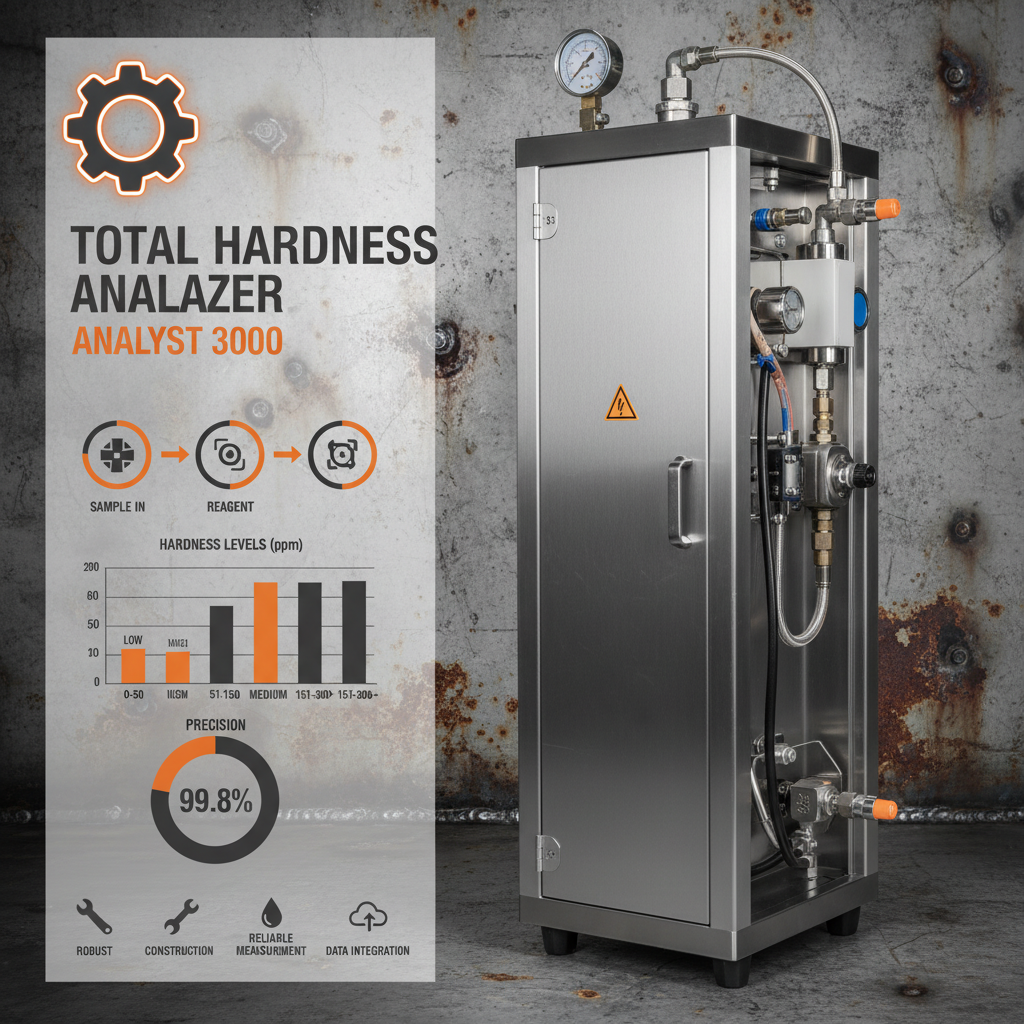
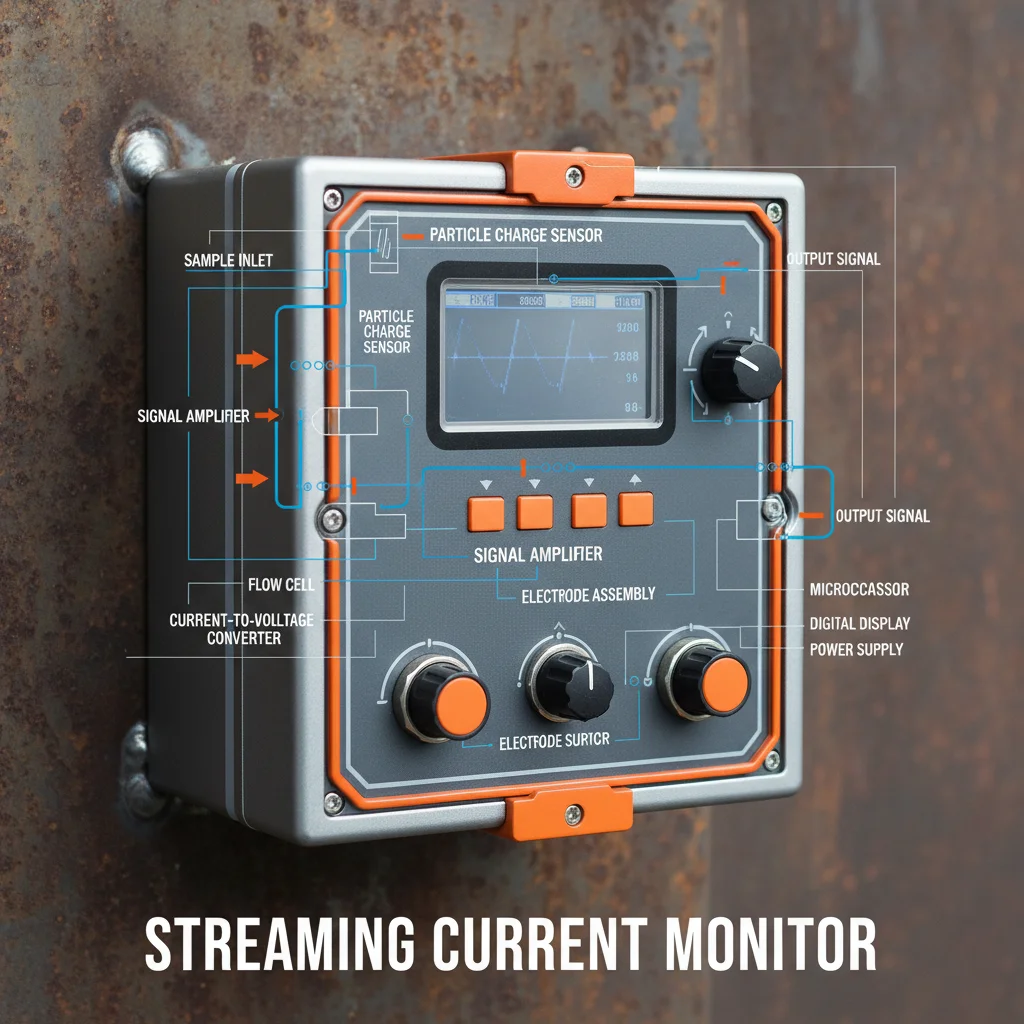
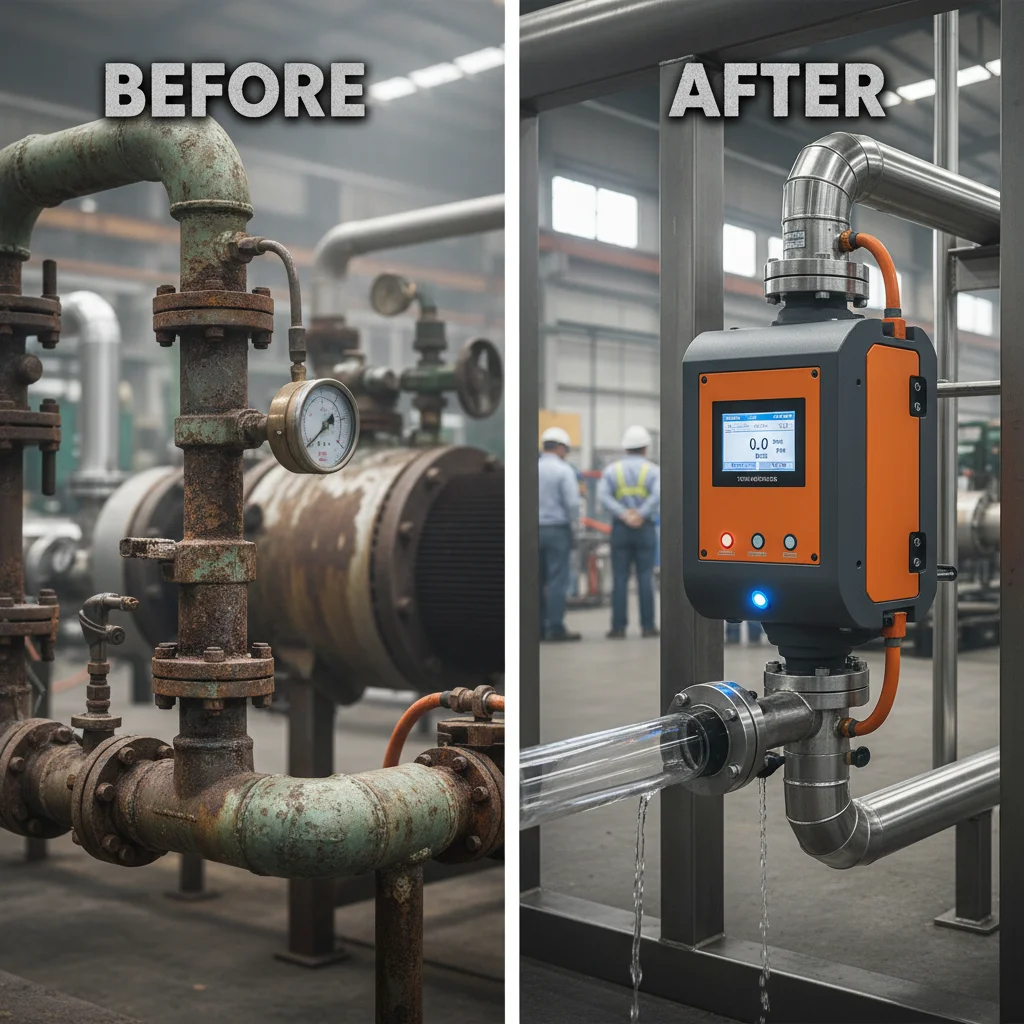
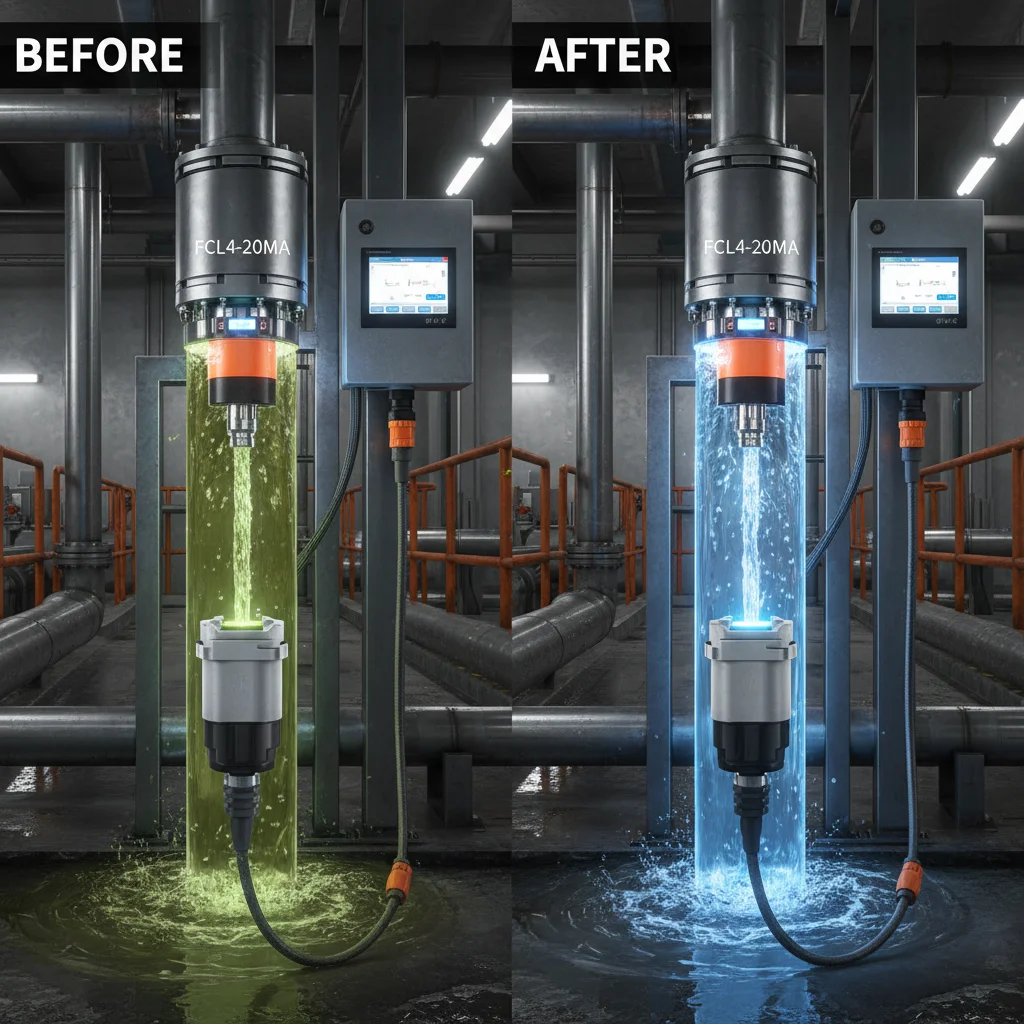
The demand for precise material characterization is paramount across a diverse range of industries, from aerospace and automotive to biomedical and construction. This necessitates sophisticated tools for assessing material properties, and a hardness analyzer is central to this process. These instruments play a critical role in ensuring product quality, safety, and reliability by accurately determining a material's resistance to localized plastic deformation. The ability to quantify hardness is not merely a quality control measure; it’s a fundamental component in material selection, research and development, and ultimately, innovation.
Globally, the market for hardness testing equipment is experiencing steady growth, driven by increasing manufacturing output, stringent regulatory standards, and the expanding use of advanced materials. According to market research reports, the industry is projected to reach significant valuation in the coming years, demonstrating the widespread reliance on accurate hardness measurements. Industries like metallurgy, plastics, and coatings are heavily dependent on hardness analyzer technology to meet performance requirements and adhere to international standards like ISO and ASTM.
The increasing complexity of materials and the demand for lighter, stronger, and more durable products are further fueling the need for advanced hardness testing solutions. Addressing these challenges requires continuous innovation in hardness analyzer technology and a thorough understanding of the underlying principles governing material behavior.
The Importance of Hardness Analysis
Understanding a material's hardness is crucial for predicting its performance and longevity in various applications. Hardness isn’t just about resistance to scratching; it reflects a material’s overall strength, wear resistance, and ability to withstand loads. This is particularly vital in industries where component failure can have catastrophic consequences. Hardness analyzer technology provides the means to objectively quantify these properties.
The information obtained from hardness testing informs material selection processes, aids in optimizing manufacturing techniques, and helps ensure the quality and reliability of finished products. Ultimately, leveraging accurate hardness data leads to reduced costs, improved safety, and increased customer satisfaction.
Defining a Hardness Analyzer
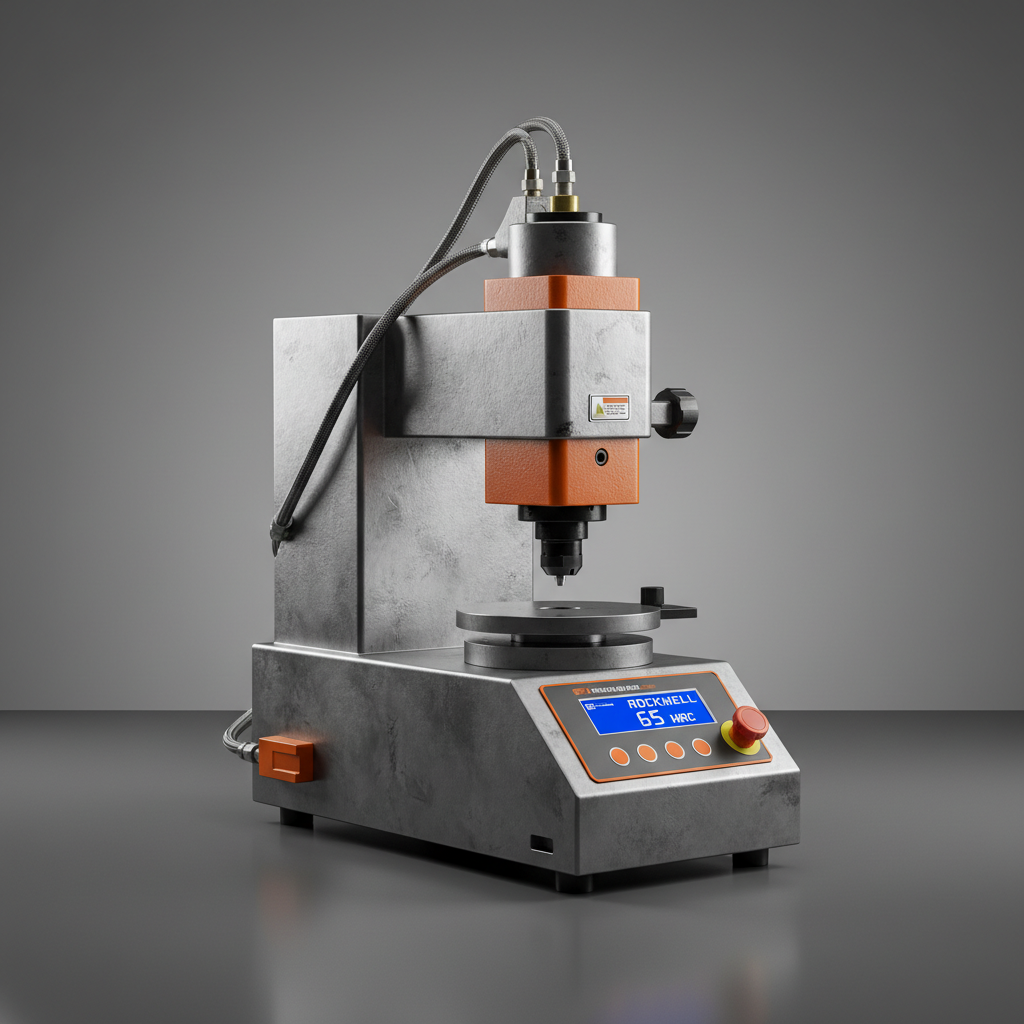
A hardness analyzer is an instrument used to determine the hardness of a material, typically metals, plastics, or ceramics. It measures the material's resistance to permanent deformation caused by indentation. This is achieved by pressing an indenter of a specific shape and size into the material's surface under a precisely controlled load.
Different types of hardness analyzers employ various methods – Rockwell, Vickers, Brinell, and Knoop – each utilizing a unique indenter and load configuration. The resulting indentation is then measured, and a hardness value is calculated based on the size and depth of the indentation.
The importance of a hardness analyzer extends beyond simple material testing; it is an integral component of quality control, research and development, and failure analysis, allowing engineers and scientists to gain critical insights into material behavior.
Core Components and Factors
Several key factors underpin the functionality and accuracy of a hardness analyzer. Indenter Material and Shape: The type of indenter used (diamond, steel ball, cone) directly impacts the measurement scale and the type of material tested. Applied Load: The force applied during indentation is critical; higher loads are used for softer materials, while lower loads are preferred for harder, more brittle materials. Measurement System: The accuracy of the indentation measurement – either through optical systems, depth gauges, or digital imaging – is paramount.
Testing Standards: Adherence to established standards (ASTM, ISO, DIN) ensures consistency and comparability of results. Calibration: Regular calibration is essential to maintain the analyzer’s accuracy and reliability. Material Properties: The inherent properties of the material being tested, such as homogeneity and surface finish, can influence the hardness reading.
These components work in tandem to provide a reliable indication of a material’s resistance to deformation. Understanding these factors allows for appropriate hardness analyzer selection and accurate interpretation of test results.
Global Applications of Hardness Analyzers
Hardness analyzers find widespread application across numerous industries globally. In the automotive industry, they are used to verify the hardness of engine components, gears, and body panels to ensure durability and safety. The aerospace sector relies on hardness testing to certify the materials used in aircraft structures and critical parts, maintaining stringent quality control.
The metalworking and manufacturing industries employ hardness analyzers for quality control of raw materials, monitoring heat treatment processes, and evaluating the wear resistance of tools and dies. In the plastics and polymers industry, hardness testing is crucial for characterizing the mechanical properties of various plastic materials used in diverse applications, such as packaging, automotive parts, and medical devices.
Hardness Analyzer Method Comparison
Advantages and Long-Term Value
The benefits of utilizing a hardness analyzer are multifaceted. From a cost perspective, accurate hardness testing minimizes material waste and reduces the risk of costly failures. It also contributes to sustainability by optimizing material usage and extending product lifecycles.
Beyond the economic advantages, hardness analysis plays a crucial role in ensuring safety and reliability. In critical applications, such as aerospace or medical devices, precise hardness measurements are essential for preventing catastrophic failures and protecting human life. This fosters trust in products and brands.
Future Trends in Hardness Analysis
The field of hardness analysis is continuously evolving, driven by advancements in materials science and technology. A key trend is the development of non-destructive testing methods, allowing for hardness measurements without damaging the sample. Another trend is the integration of hardness analyzer technology with digital platforms and data analytics, enabling real-time monitoring and predictive maintenance.
Furthermore, the demand for miniaturized hardness analyzers is increasing, particularly in applications requiring in-situ testing or analysis of small components. The push for sustainable materials and circular economy principles will also drive innovation in hardness testing techniques.
The automation of hardness testing processes is expected to gain further traction, improving efficiency and reducing human error. These technological advancements promise to enhance the accuracy, speed, and accessibility of hardness analysis.
Challenges and Innovative Solutions
Despite the advancements, several challenges remain in hardness analysis. One common issue is the influence of surface finish and material heterogeneity on test results. Another challenge is the accurate measurement of thin films and coatings.
Innovative solutions are being developed to address these challenges. These include advanced surface preparation techniques, the use of nanoindentation for thin-film analysis, and the application of artificial intelligence (AI) and machine learning (ML) algorithms to improve data analysis and accuracy.
The integration of these technologies will help overcome the limitations of traditional hardness testing methods and enable more reliable and insightful material characterization.
Summary of Common Hardness Analyzer Challenges and Solutions
| Challenge |
Impact on Accuracy |
Proposed Solution |
Implementation Difficulty (1-5) |
| Surface Roughness |
Inconsistent indentation depth |
Polishing or surface preparation |
2 |
| Material Heterogeneity |
Variable hardness within sample |
Multiple measurements and statistical analysis |
3 |
| Thin Film Measurement |
Difficulty penetrating film |
Nanoindentation |
4 |
| Calibration Drift |
Inaccurate readings over time |
Regular calibration with certified standards |
1 |
| Operator Error |
Inconsistent application of force |
Automated testing systems |
3 |
| Sample Preparation |
Damage or alteration of material |
Optimized cutting and mounting procedures |
2 |
FAQS
Rockwell and Vickers are both indentation hardness tests, but they differ in their indenter shape and load application. Rockwell uses a ball or cone indenter with various load ranges, providing a direct hardness number. Vickers uses a diamond pyramid indenter with a standardized load, requiring calculation of the hardness number based on the indentation area. Vickers is generally considered more versatile and accurate, particularly for hard materials.
A hardness analyzer should be calibrated at least annually, or more frequently if it is used extensively or subjected to harsh environmental conditions. Regular calibration ensures the accuracy and reliability of the measurements. Calibration involves verifying the instrument's accuracy against certified hardness standards.
Several factors can influence the accuracy of a hardness test, including surface finish, material heterogeneity, sample preparation, temperature, and the alignment of the indenter. Proper surface preparation, controlled testing conditions, and meticulous instrument calibration are crucial for obtaining reliable results.
While hardness testing isn't a definitive material identification method, it can be a valuable tool in conjunction with other analytical techniques. Different materials exhibit distinct hardness ranges, allowing for preliminary identification or differentiation. However, materials with similar hardness values may require further analysis for conclusive identification.
Shore hardness scales (A, D, etc.) are most commonly used for testing plastics. The Shore A scale is suitable for softer plastics, while the Shore D scale is used for harder plastics. The appropriate scale depends on the material's hardness range and intended application.
Digital hardness analyzer offer several advantages over traditional mechanical models, including increased accuracy, reduced operator error, automated data acquisition, and improved data management capabilities. Digital analyzers often feature advanced features such as data logging, statistical analysis, and remote control.
Conclusion
In conclusion, the hardness analyzer remains an indispensable tool for materials characterization across a broad spectrum of industries. Its ability to accurately quantify a material's resistance to deformation is critical for ensuring product quality, safety, and performance. Understanding the core principles of hardness testing, the various analyzer types, and the emerging trends in the field is essential for professionals involved in materials science, engineering, and manufacturing.
Looking ahead, the integration of advanced technologies like AI, machine learning, and non-destructive testing methods will further enhance the capabilities of hardness analysis. We encourage you to explore the full range of hardness analyzer solutions offered by Jensprima, enabling you to optimize your material testing processes and achieve superior results. Visit our website today at www.jensprima.com to learn more.

















 Download
 Video Center
 Technical Services
 FAQS
FAQS Service Network
 Privacy Policy
 Contact Us